The Rise of "Asset-Light" Optical Brands: Why Smart Retailers Are Ditching Inventory
For decades, owning an optical retail business meant one unavoidable reality: a back room full of inventory you paid for months ago, slowly turning into cash — or worse, gathering dust.
That model is changing. Across North America and Europe, a growing number of independent opticians and boutique eyewear brands are shifting toward an "asset-light" approach — one that prioritizes cash flow, flexibility, and data-driven buying over bulk orders and guesswork.
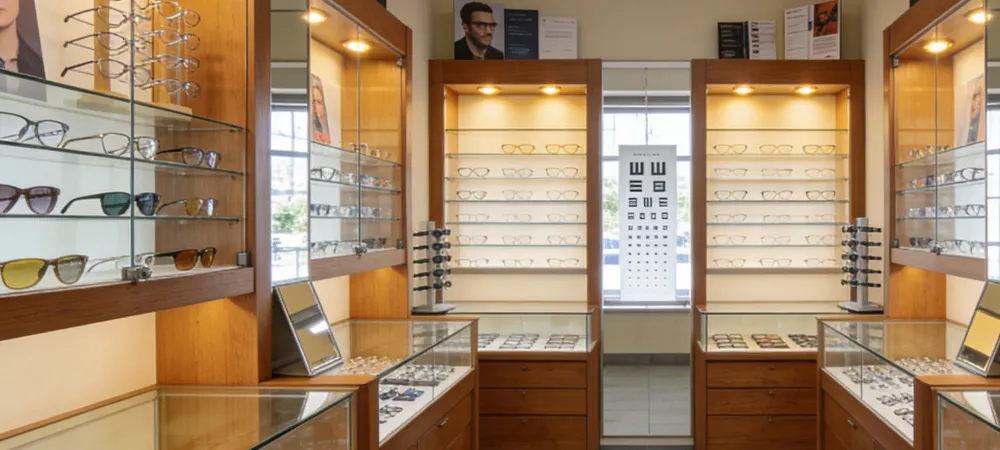
This isn't a niche trend. It's a fundamental rethinking of how independent eyewear businesses operate.
Smart retailers are rethinking how inventory works in their business
The Hidden Weight of Traditional Inventory
The traditional optical retail model was built for a different era. Brands and suppliers required large commitments because manufacturing economics demanded it. But for the independent retailer, that legacy comes at a cost:
30–40% of SKUs
typically underperform or never sell at full price
$20,000–$50,000
tied up in opening inventory for a small boutique
90–120 days
from payment to sellable product on shelf
For independent retailers operating on thinner margins, this inventory burden creates a cascade of problems: cash flow becomes the limiting factor for growth, new styles can't be tested without major commitment, and profits are eroded by end-of-season markdowns on styles that missed the mark.
What's Driving the Shift to Asset-Light?
Three converging forces are pushing smart retailers away from the traditional inventory model:
1. Margin Compression
With online competitors and big-box optical chains, independents can no longer afford to have capital sitting in slow-moving inventory. Every dollar tied up in unsold frames is a dollar not invested in marketing, customer experience, or higher-margin services.
2. Changing Consumer Behavior
Today's eyewear customers expect newness. They're less loyal to specific brands and more responsive to fresh styles. Retailers who commit to large batches of a few styles find themselves stuck with inventory that no longer matches current preferences.
3. Access to Better Data
Modern retailers have more visibility into what sells — by style, by color, by demographic. The asset-light model lets them act on that data quickly, reordering only what works and dropping what doesn't.

How Asset-Light Retailers Operate
Retailers adopting this approach aren't abandoning their own brand identity — they're simply building it differently. Here's what the asset-light model looks like in practice:
Test with small batches
Instead of 300 pieces per style, start with 20–50 total across multiple designs. See what resonates before scaling.
Replenish only winners
Let sales data guide reorders. The top 20% of SKUs typically generate 80% of revenue — double down on those.
Maintain brand differentiation
Private label and custom packaging create unique identity without requiring custom molds or high MOQs.
Shorten cash cycles
Predictable lead times (10–13 weeks) and small batch sizes mean capital cycles 3–4 times per year instead of once.
What Retailers Are Actually Seeing
This isn't theoretical. Independent retailers who've shifted to an asset-light model report measurable improvements across key business metrics:
3–4x
inventory turns per year
60–75%
gross margins maintained
70% less
initial capital tied up
One optical retailer in Texas started with a test order of 150 mixed frames — less than $2,000 invested. Within four months, they had identified three best-selling styles, placed reorders, and generated over $15,000 in revenue from that initial test. More importantly, they had zero unsold inventory to discount at season's end.
A boutique in Toronto shifted from buying established wholesale brands to private label using the asset-light approach. Their margin per frame increased from 45% to 68%, and they now refresh their collection quarterly instead of annually — keeping customers coming back to see what's new.
The Competitive Advantage of Being Asset-Light
In an industry where cash flow determines survival, the asset-light model provides a structural advantage:
- Faster response to trends — test new styles in 10–13 weeks instead of waiting a full season
- Higher capital efficiency — turn inventory 3–4 times annually instead of once or twice
- Protected margins — less need for end-of-season discounts when you're not sitting on excess stock
- Brand ownership — private label builds customer loyalty to your store, not to a supplier's brand
Retailers who adopt this approach aren't just reducing risk — they're positioning themselves to grow faster. When you're not constantly feeding cash into inventory, you have the flexibility to invest in marketing, staff training, store experience, and other areas that drive real growth.
Ready to Build Your Asset-Light Optical Brand?
The shift away from traditional inventory isn't a trend — it's the new standard for independent retailers who want to protect margins, improve cash flow, and build something of their own.
See how the hybrid model works
Get pricing, starter strategy, and access to the pre-selected catalog for North America.